Gynecomastia is a condition where male breast tissue becomes enlarged, often due to hormonal imbalances between estrogen and testosterone. It can affect men at any...
Many men feel concerned about the appearance of their chest at some point in their lives. A fuller or enlarged chest can occur for several reasons, and one of the most common questions people ask is whether they are dealing with excess chest fat or gynecomastia.
Although these two conditions can look similar, they have different causes and often require different treatments. Understanding the differences can help you decide whether lifestyle changes may help or whether medical advice may be needed.
What Is Gynecomastia?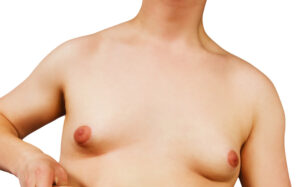
Gynecomastia Surgery is a procedure used to treat gynecomastia, a condition characterised by the enlargement of male breast tissue.
Gynecomastia develops when glandular breast tissue increases, usually due to a hormonal imbalance between testosterone and oestrogen. This can occur at different stages of life. Some teenagers experience it during puberty, and it may resolve naturally as hormones stabilise. However, it can also develop in adulthood.
Common factors that may contribute to gynecomastia include:
-
Hormonal changes
-
Certain medications
-
Steroid use
-
Ageing
-
Underlying health conditions
Unlike simple fat accumulation, gynecomastia involves firm glandular tissue, which typically does not respond to weight loss or exercise.
What Is Chest Fat?
Chest fat, sometimes called pseudogynecomastia, refers to fat deposits that accumulate in the chest area.
This usually occurs as part of general weight gain, meaning fat builds up across multiple areas of the body such as the stomach, thighs, and arms. Because this enlargement is caused by fat rather than glandular tissue, it usually improves with:
-
Weight loss
-
Improved diet
-
Regular exercise
In many cases, chest fat reduces naturally as overall body fat decreases.
Key Signs That May Help You Tell the Difference
While both conditions can cause a fuller chest appearance, several signs may help you identify whether you are experiencing chest fat or gynecomastia.
1. Pain or Tenderness in the Chest
One of the more noticeable symptoms of gynecomastia is tenderness or sensitivity in the chest area. Some men describe mild soreness, swelling, or discomfort around the nipple or breast tissue.
Chest fat rarely causes pain on its own. If discomfort is present, it may be due to other factors such as muscle strain or skin irritation.
However, pain alone is not enough to confirm gynecomastia. It should always be considered alongside other symptoms.
2. The Texture of the Tissue
The way the chest tissue feels can offer an important clue.
Chest fat usually feels soft and similar to fat elsewhere on the body. It tends to move easily under the skin and feels consistent with fat deposits found on areas such as the abdomen or thighs.
Gynecomastia, on the other hand, often feels firmer or rubbery. Some men notice a small, firm lump beneath the nipple area. This lump represents glandular breast tissue and is a common feature of the condition.
3. The Appearance of the Chest
The visual appearance of the chest can also differ between the two conditions.
Chest fat typically gives the chest a softer and less defined shape. The tissue may appear slightly droopy or spread across the chest without a clear structure.
Gynecomastia often creates a rounder and more defined breast-like shape, particularly around the nipple area. In some cases, the nipple or areola may appear more prominent than the surrounding chest.
4. Response to Diet and Exercise
One of the most reliable ways to identify chest fat is by observing how the body responds to weight loss and physical activity.
Fat stored in the chest area usually decreases when overall body fat is reduced. While it is not possible to lose fat from one specific area of the body, weight loss generally leads to visible changes across multiple areas, including the chest.
If the chest remains enlarged despite significant weight loss and improved fitness, this may indicate glandular tissue rather than fat. In some cases, losing weight can actually make gynecomastia more noticeable because the surrounding fat decreases while the glandular tissue remains.
Treatment Options for Gynecomastia
In some cases, gynecomastia may resolve on its own, particularly during adolescence when hormone levels fluctuate. However, persistent cases often require medical treatment.
The most effective solution is typically gynecomastia surgery, which removes excess glandular tissue and reshapes the chest.
The procedure may involve:
-
Removal of glandular tissue
-
Liposuction to remove surrounding fat
-
Chest contouring to improve overall shape
Small incisions are usually made around the areola or in discreet areas of the chest. Through these incisions, surgeons can remove excess tissue and sculpt a flatter, more masculine chest.
In more significant cases where there is excess skin, additional techniques may be used to remove loose skin or reposition the nipple for a natural appearance.
Most patients can return to light activities within a few weeks, although full recovery varies depending on the extent of the procedure.
Treatment Options for Chest Fat
When chest enlargement is caused by fat, the first line of treatment is usually lifestyle modification.
This may include:
-
A balanced calorie controlled diet
-
Regular cardiovascular exercise
-
Strength training to improve muscle tone
While spot fat reduction is not possible, strengthening the chest muscles through exercises such as push ups, bench presses, and chest flies can improve chest definition and overall body composition.
In cases where stubborn fat persists despite weight loss, liposuction may be considered to remove localised fat deposits.
When to Seek Medical Advice
Because chest fat and gynecomastia can appear very similar, it is not always easy to determine the cause without professional evaluation.
A healthcare professional can assess your symptoms and may perform:
-
A physical examination
-
Hormonal testing
-
Imaging studies if necessary
Seeking medical advice is especially important if you experience:
-
Persistent pain or tenderness
-
Rapid breast enlargement
-
A firm lump under the nipple
-
Changes in nipple appearance
Early evaluation helps ensure that the correct diagnosis is made and the most appropriate treatment is recommended.
Final Thoughts
Chest fat and gynecomastia are common concerns, but they are caused by different underlying factors.
Chest fat is usually linked to general body fat and weight gain, meaning it often improves with healthy lifestyle changes. Gynecomastia, however, involves excess glandular breast tissue, which may require medical or surgical treatment.
If you are unsure which condition you may be experiencing, consulting a qualified healthcare professional is the best way to obtain an accurate diagnosis and explore suitable treatment options.