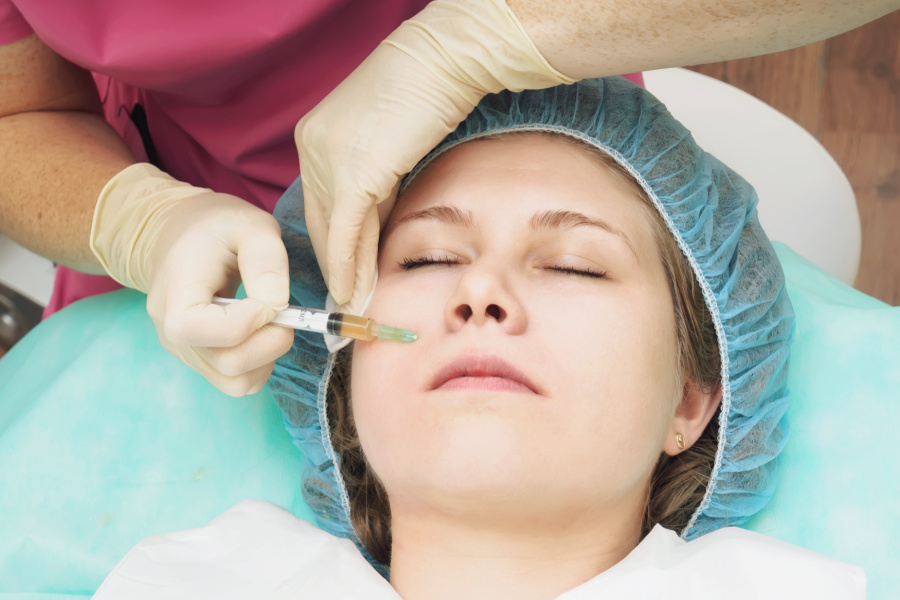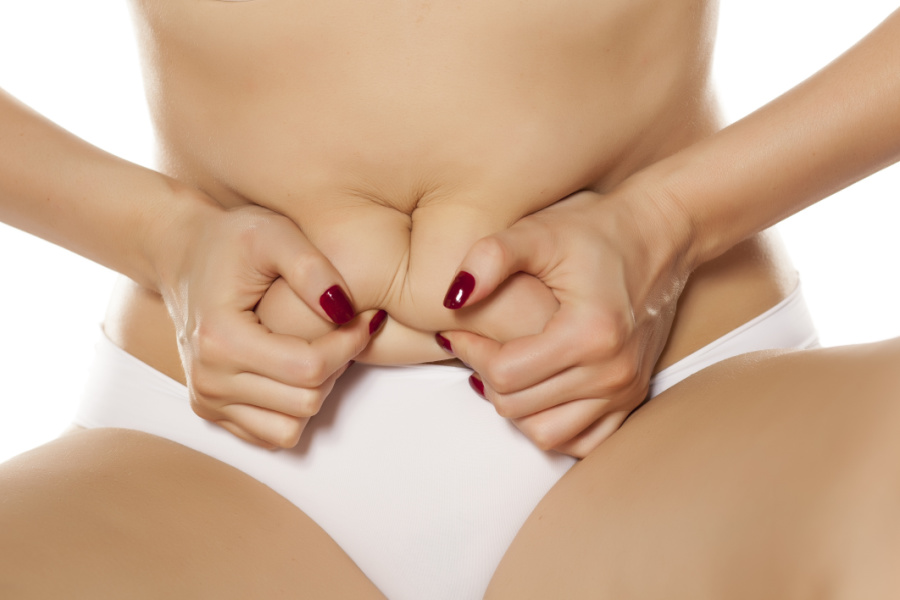
Liposuction is a popular cosmetic procedure that removes stubborn fat deposits that are difficult to lose through diet and exercise. Many patients wonder if fat...
Liposuction is one of the most commonly performed cosmetic procedures worldwide, making it a well-established option for body contouring. Its popularity reflects its effectiveness in targeting stubborn pockets of fat that are resistant to diet and exercise.
Although liposuction is considered a safe and effective procedure when performed by qualified professionals, it is still a surgical treatment that requires appropriate aftercare. Understanding what to expect during the recovery period can help support healing, optimise results, and make the overall experience smoother and more reassuring.
Important Points to Consider
A thorough consultation with a qualified plastic surgeon is an essential first step. During this personalised assessment, the surgeon can evaluate whether liposuction is suitable for you, discuss potential outcomes, and explain what the recovery process is likely to involve.
It’s also important to understand that recovery experiences vary from person to person. Factors such as age, overall health, and medical history can all influence healing time. Allowing your body the time it needs to recover is key to achieving the best possible results.
Finally, having realistic expectations is crucial. Liposuction can be highly effective in enhancing body contours and addressing specific concerns, but an open discussion about your goals will help determine what outcomes are achievable and ensure you feel informed and confident moving forward.
What to Expect During Liposuction Recovery
Liposuction is usually performed as an outpatient procedure, meaning most patients can return home the same day. In cases where a larger volume of fat is removed, an overnight stay may be recommended for monitoring.
Whether you stay overnight or not, you’ll need someone to accompany you home once you’re discharged. You may feel sore and drowsy from anaesthesia or pain relief, so driving is not advised.
The First Few Days
Following surgery, you’ll be asked to wear a compression garment or elastic bandages over the treated areas. These are essential for minimising swelling and helping the body adapt to its new contours.
In some cases, small drains may be placed near the incisions to prevent fluid build-up and support healing. If drains are used, your surgeon will provide clear instructions on how to care for them and when they’ll be removed.
During the first few days, it’s normal to experience moderate discomfort and soreness. Prescribed pain relief will help manage this, and it’s important to follow the guidance provided. Activity should be kept to a minimum, and arranging help at home—especially if you have children—is strongly recommended.
Weeks One to Two
As the initial healing phase passes, most patients notice a steady reduction in pain and soreness. Many people are able to return to work within one to two weeks, although those with physically demanding roles may benefit from additional time off.
Compression garments are usually still required during this stage to continue supporting healing and shaping.
Weeks Three to Five
By around four weeks, discomfort has typically resolved, although some swelling may remain. This is a normal part of the healing process and can take several months to fully settle. As swelling reduces, the results of the procedure become increasingly visible.
Light exercise can usually be reintroduced at this stage, but strenuous or high-impact activities should still be avoided unless advised otherwise.
Six Weeks and Beyond
At six weeks, most bruising and swelling will have significantly improved, though minor swelling may persist for some individuals. Compression garments are often no longer needed, and activity restrictions are usually lifted.
By this point, patients can typically see the full results of their liposuction, with continued subtle improvements as healing completes.
Supporting a Smooth Liposuction Recovery
While it’s important not to rush the healing process, there are several simple steps you can take to support your body as it recovers.
Nourish Your Body
Surgery places extra demands on the body, making good nutrition essential. Preparing healthy meals in advance can be helpful, as your energy levels may be lower in the early days. Aim to eat regularly and include plenty of fresh fruits and vegetables to support healing and reduce inflammation.
Stay Well Hydrated
Drinking enough fluids is vital during recovery. Water and nourishing broths can help support circulation and healing. If plain water feels monotonous, adding fresh fruit can make it more appealing.
Prioritise Rest
Allowing yourself time to rest and sleep is one of the most effective ways to aid recovery. Taking things slowly in the first few weeks gives your body the opportunity to heal properly.
Keep Gently Moving
Although strenuous exercise should be avoided, gentle movement can be beneficial. Short, relaxed walks—when you feel ready—can help maintain circulation without putting strain on your body.
Accept Support
Don’t hesitate to ask for help from friends or family, particularly with household tasks, childcare, or errands. Reducing physical strain during recovery can make a meaningful difference to how quickly and comfortably you heal.
A Transformative Boost to Body Confidence
For many individuals, liposuction can be a truly transformative experience. By addressing stubborn areas of fat that don’t respond to diet or exercise, it can help enhance body shape and improve overall confidence.
Understanding what the recovery process involves allows you to make a well-informed decision and approach treatment with realistic expectations. With the right preparation and aftercare, liposuction can be a positive step toward feeling more comfortable, confident, and satisfied with your body’s contours.
Discover superior body contouring with VASER Liposuction by Dr Fasano at HealthExcel.
Book your consultation today and take the first step toward smoother, more precisely sculpted results.